

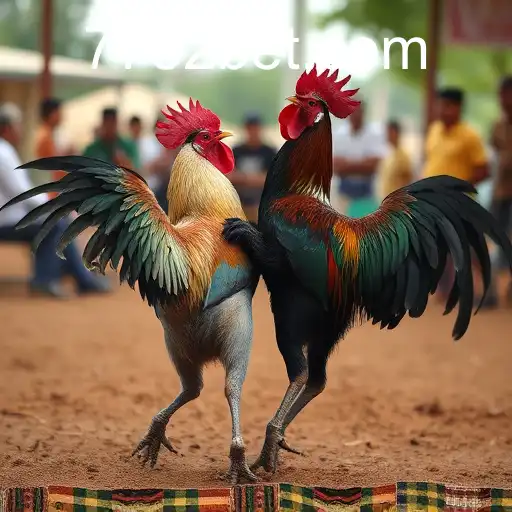
Rinha de Galos: A Historical Tradition Under Contemporary Scrutiny
The controversial tradition of rinha de galos, or cockfighting, has been a heated topic of debate for many years. Originating from ancient times, this practice has faced significant criticism owing to animal rights concerns. Additionally, terms like "52 bet" have come to signify the complexities surrounding the gambling aspects associated with this practice.8344.com
The Origins and Cultural Significance of Rinha de Galos
Rinha de galos can trace its origins back to ancient civilizations, where birds were pitted against one another in contests of survival. Rooted deeply in local cultures, these events were often linked to prestige and social standing. Betting, such as the now infamous "52 bet", became an integral part of the spectacle, adding a layer of excitement and competition for spectators.017win.com
The Cultural Fabric
Throughout parts of Latin America and Asia where cockfighting is particularly prevalent, these events are not merely about the fights but also signify local festivity. They are a gathering of community and an expression of cultural identity. In places like the Philippines or Peru, cockfighting has been intertwined with celebrations and holds significant cultural weight.
The Controversy Surrounding Cockfighting
However, no discussion of rinha de galos can neglect the controversies that envelop it. Animal rights activists have long pointed out the inherently cruel nature of these events, where roosters are often equipped with blades and forced into fights to the death. The ethical implications have forced many national governments to outlaw the practice.
Opposition and Legal Battles
In recent years, the ban on cockfighting in numerous countries has grown stronger. The ethical advocacy by animal rights groups has intensified legal scrutiny on this age-old tradition. This has led to a dichotomous scenario where cultural preservationists and animal rights activists find themselves at loggerheads.
The Gambling Implications: Understanding the '52 Bet'
Integral to the spectacle is the gambling that accompanies it. The term "52 bet" has emerged within this context, symbolizing the vigorous wagering that takes place around cockfighting events. Bets are placed not just on the rooster likely to win but also on numerous other factors, increasing the complexity of the gambling involved.
Financial and Social Impacts
The monetary stakes raised during these events can be substantial, reflecting not only on individual financial situations but also impacting local economies. On the downside, such gambling can lead to indebtedness and societal issues, reinforcing the argument of those pushing for the practice's extinction.
Modern Adaptations and the Future of Cockfighting
As traditional and modern values clash, rinha de galos has had to adapt to survive. In locales where the practice persists, overseers have occasionally introduced regulations in an attempt to lessen the violent aspects or to ensure ethical gambling practices. Nevertheless, the future of cockfighting remains uncertain.ISS 777
Legislative Developments
626 boiWith growing global perspectives favoring animal rights, legislative measures against cockfighting have intensified. Some regions have found ways to transition their cultural heritage into less harmful practices without losing the cultural vibrancy of their festivities.
Conclusion
In the modern era, the practice of rinha de galos and its associated "52 bet" gambling culture stand at a crossroads. As we strive towards kinder practices, challenging questions on cultural preservation versus ethical treatment of animals will continue to spark debate. The answers could redefine how we interpret tradition in a compassionate world.626 boi
This ongoing dialogue exemplifies the complex nature of global cultural evolution.